Pepper (Hot) - Pepperoncini 🔥 seeds
Description
Description

What Are Pepperoncini Peppers?
Pepperoncini peppers are small, mildly spicy peppers that pack a tangy punch. These thin-walled Italian peppers are typically 1 to 2 inches long and range in color from green to red as they mature. They're known for their crisp texture and bright, vinegary flavor that makes them a favorite in Mediterranean cuisine and beyond.
Flavor Profile and Heat Level
If you're looking for heat without overwhelming spice, pepperoncini peppers are your answer. They rank low on the Scoville scale, delivering just a gentle warmth that builds gradually. The real star is their distinctive tangy, slightly sweet taste—especially when pickled. This makes them perfect for those who want flavor complexity without intense heat. Scoville heat units (SHU): 100-500/mild
Growing Pepperoncini at Home
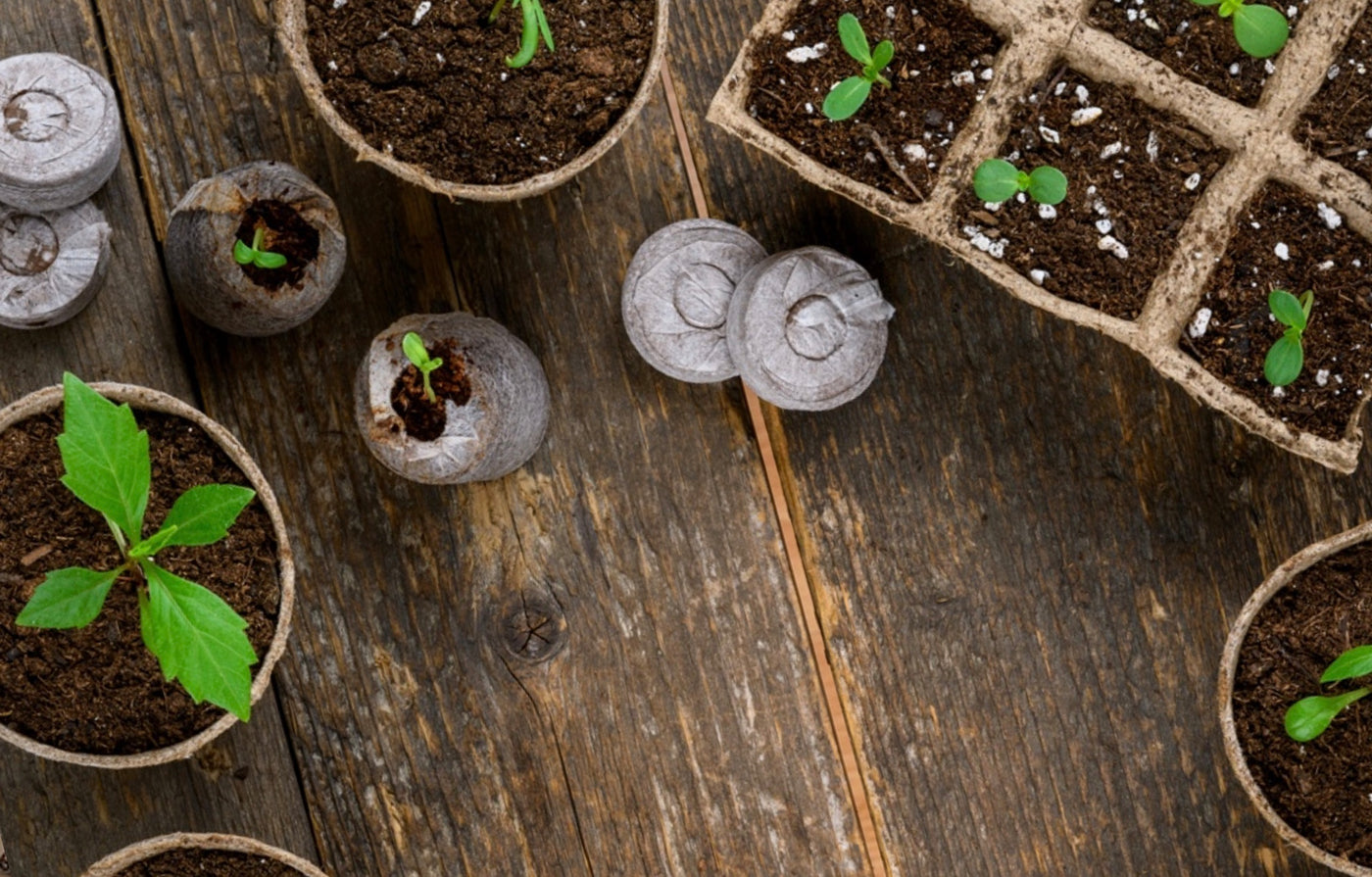
Growing pepperoncini peppers in your garden is surprisingly straightforward. These plants thrive in warm, sunny locations with well-draining soil. They prefer consistent moisture and benefit from regular feeding during the growing season. Start seeds indoors 6 to 8 weeks before your last frost date, then transplant seedlings outdoors once temperatures warm up. With proper care, you'll have a productive plant that yields peppers throughout the season.
Culinary Uses
Pepperoncini peppers are incredibly versatile in the kitchen. Pickle them for a classic condiment, toss them into salads for a tangy crunch, or add them to antipasto platters. They're delicious on pizzas, in pasta dishes, or alongside cured meats and cheeses. You can also roast them, stuff them, or incorporate them into salsas and relishes for a Mediterranean twist on traditional recipes.
Harvesting and Storage
Harvest pepperoncini peppers when they reach full size but are still green, or wait for them to turn red for a sweeter flavor. Pick them regularly to encourage continued production throughout the season. Fresh peppers store well in the refrigerator for several weeks, or you can preserve them by pickling for longer shelf life and enhanced flavor development.
In Summary
The Pepperoncini Pepper was likely your first taste of a foreign word at a deli, subway shop, or pizza joint. Those bright yellow pickled rings added a smidge of sour and a surprise of spice. You weren’t sure you liked them at first, but kept eating them, and learned to pronounce it: pepper-on-CHI-ni. Bring back the memories with this prolific plant that produces bunchini 3"-5" fruits that are tangy and crunchini when yellowish-green, becoming softer and sweeter as they ripen to red. Pickle these sweet, mild peppers in the old way, or toss fresh with a bowl of fettucini, porcini, and pecorini.
- Very high yields
- Tangy, sweet, and crunchy
- Early producer
- Harvest any color
SEED PLANTING TIPS
- Botanical name: Capsicum annuum
- Pepper length: 3"-5"
- Scoville heat units (SHU): 100-500/mild
- Plant support: Tomato cage or stake
- Depth to plant seeds: .25" deep
- Spacing between plants: 18"-24" apart
- Spacing between rows: 24"-36" apart
- Days to germinate (sprout): 7-21 days
- Germination soil temps: 75F-85F
- Soil needs: 6.0-7.0 pH
- Sun needs: Full sun
- Frost hardy: No
- Planting season: Spring, summer
- # of plants per sq. ft.: Appx. 1 plant per sq. ft.
- Days to maturity: 65-75 days
Good companion plants: Basil, Carrot, Cucumber, Eggplant, Okra, Rosemary, Sage, Squash, Tomato
-
The Italian Pepperoncini pepper is one of the oldest Italian heirloom varieties that's still widely popular around the world. 3-5" pepper with low-medium heat.
-
Bushy and small plants will produce a large amount of peppers.
-
The peppers are yellow and then turn to red as the sweet flavor intensifies.
-
Excellent when pickled or eaten raw in salads or sandwiches.
| All Peppers ⟐ Hot Peppers | 📚 Hot Peppers Grow Guide |
Frequently Asked Questions
What are pepperoncini peppers and how do they differ from other hot peppers?
How spicy are pepperoncini peppers and what Scoville units do they have?
What are the best growing conditions for pepperoncini pepper plants in a home garden?
How should I start pepperoncini seed beginning from seed planting tips?
What culinary uses are ideal for pepperoncini peppers?
When is the optimal time to harvest pepperoncini peppers for the best flavor?
Are pepperoncini plants good companions for other vegetables in my garden?
How long does it take for pepperoncini seeds to germinate and grow into mature plants?
What distinguishes the yellow and red pepperoncini peppers as they mature?
Can I grow pepperoncini peppers indoors, and what care do they require?

continue shopping ...
🌱 Featured Collections
View seed catalog


We now accept the following payment methods
About Our Seeds
About Our Seeds

|
GMO-FREE We also offer a few hybrid varieties on this website and they will be labeled as such on product listing. |

|
|
|
MOISTURE-PROOF PACKAGING All our seeds are packaged in high quality re-sealable moisture-proof packs designed to protect & extend the shelf-life of your seeds. We do NOT use paper envelopes. Read frequently asked questions |
 |
|
|
5-STAR CUSTOMER SUPPORT |
 |
|
|
SATISFACTION. GUARANTEED. |
 |
|
|
HIGHEST QUALITY SEEDS |

|
|
|
TOTALLY RAW & UN-TREATED |

|

Know where your food comes from.
Support local growers.
Grow your own Organic/GMO-FREE food!

Useful Links: [What is GMO?] [Step-by-Step Grow Guides] [Safe Seed Pledge] [FAQs]
WE DO NOT GROW OR SELL SEEDS FROM MONSANTO OR ANY OTHER COMPANY THAT IS AFFILIATED WITH GMO.
✓ NON-GMO
✓ HEIRLOOM
✓ OPEN-POLLINATED (OP)
✓ RAW, NATURAL & UN-TREATED
Safe Seed Pledge
Safe Seed Pledge
OUR PLEDGE TO YOU
Agriculture and seeds provide the basis upon which our lives depend. We must protect this foundation as a safe and genetically stable source for future generations.
For the benefit of all farmers, gardeners and consumers who want an alternative. We pledge to you that we do not knowingly buy or sell genetically engineered seeds or plants. The mechanical transfer of genetic material outside of natural reproductive methods and between genera, families or kingdoms, poses great biological risks as well as economic, political, and cultural threats.
We wish to support agricultural progress that leads to healthier soils, genetically diverse agricultural ecosystems and ultimately healthy people and communities.
We do not buy - OR - grow any seed from large corporations that make Genetically Engineered seeds. We don't touch that stuff and we never will.
The seeds we offer aren't like varieties you'd typically find at a garden center.
Every variety we offer is 100% OP (open-pollinated). Open-pollination means that you can safely save the seed after harvest and preserve a collection of heirloom seed for many generations to come.
To make it perfectly clear ... Our seeds do not contain any exogenously inserted embryogenesis deactivator genes caused by human intervention.
⭐⭐⭐⭐⭐
Highest Quality Seed, Guaranteed
... continue shopping!